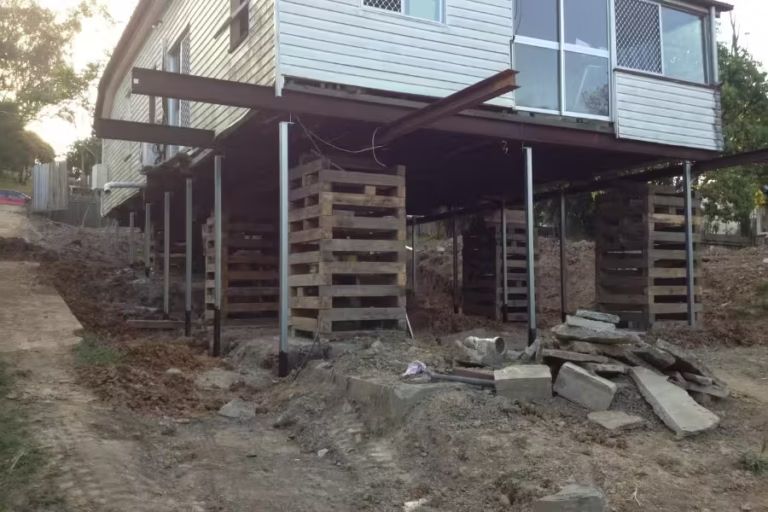
Compare Foundation Pier Systems
Understand steel, hybrid, concrete, slab, and pre-construction pier options before choosing a repair.
Compare systems →
Owner-led · Central Texas
We start with what is actually happening. Bats Foundation Repair reviews visible symptoms, elevations, soil movement, drainage, and site conditions, then explains clear repair options in plain English.
Start with the symptom
A symptom is a reason to inspect—not a diagnosis and not a reason to panic.
Approved service pillars
Steel, hybrid, concrete, slab, and pre-construction pier options explained honestly.
↗02Supports, shims, framing, moisture, and drainage reviewed together.
↗03Measured stabilization and controlled lift to the limits of the structure.
↗04Repair and leveling for serviceable driveways, walks, patios, and slabs.
↗A calmer repair process
See the work clearly
The Bats brand film was created to help property owners understand the repair process before a crew arrives. Watch it here, then bring us the questions that matter for your property.
Explore piering systems →Built around local conditions
Expansive clay can contract during drought and swell after heavy rain. The right repair starts with elevations, drainage, foundation type, plumbing concerns, and site conditions—not a one-size-fits-all sales pitch.
Understand water management →Bats is based in Round Rock and serves Austin, Georgetown, Cedar Park, Pflugerville, Hutto, Taylor, Leander, and surrounding Central Texas communities. Confirm coverage for a specific property when requesting an evaluation.
Review service-area guidance →Knowledge before decisions
Understand steel, hybrid, concrete, slab, and pre-construction pier options before choosing a repair.
Compare systems →See how supports, shims, framing, moisture, and drainage are separated during inspection.
Review the process →Learn how grading, runoff, gutters, plumbing leaks, and soil moisture affect long-term performance.
Understand drainage →Direct answers
Short answers to the questions property owners ask before scheduling an evaluation.
Common warning signs include stair-step brick cracks, diagonal drywall cracks, sticking doors or windows, gaps at trim, and floors that slope or feel uneven. A site evaluation is needed to distinguish normal cosmetic movement from a structural concern.
Round Rock has shallow rocky clay west of IH-35 and deeper clay or clay-loam east of IH-35. Changes in soil moisture, drainage, foundation type, and site conditions can contribute to differential movement.
The repair method should follow the observed symptoms, measured movement, foundation type, access, drainage, and soil conditions. Slab, pier and beam, house-leveling, and drainage problems require different scopes rather than one universal repair.
Sources & transparency
Our educational content combines property-specific evaluation principles with public soil and drainage information. General information cannot diagnose a particular structure.
Page reviewed and updated July 18, 2026.
Get a clearer answer
Share what you are seeing. We’ll review the property and talk through the next step.